Baton Rouge Flood Risk: What Homeowners Must Know
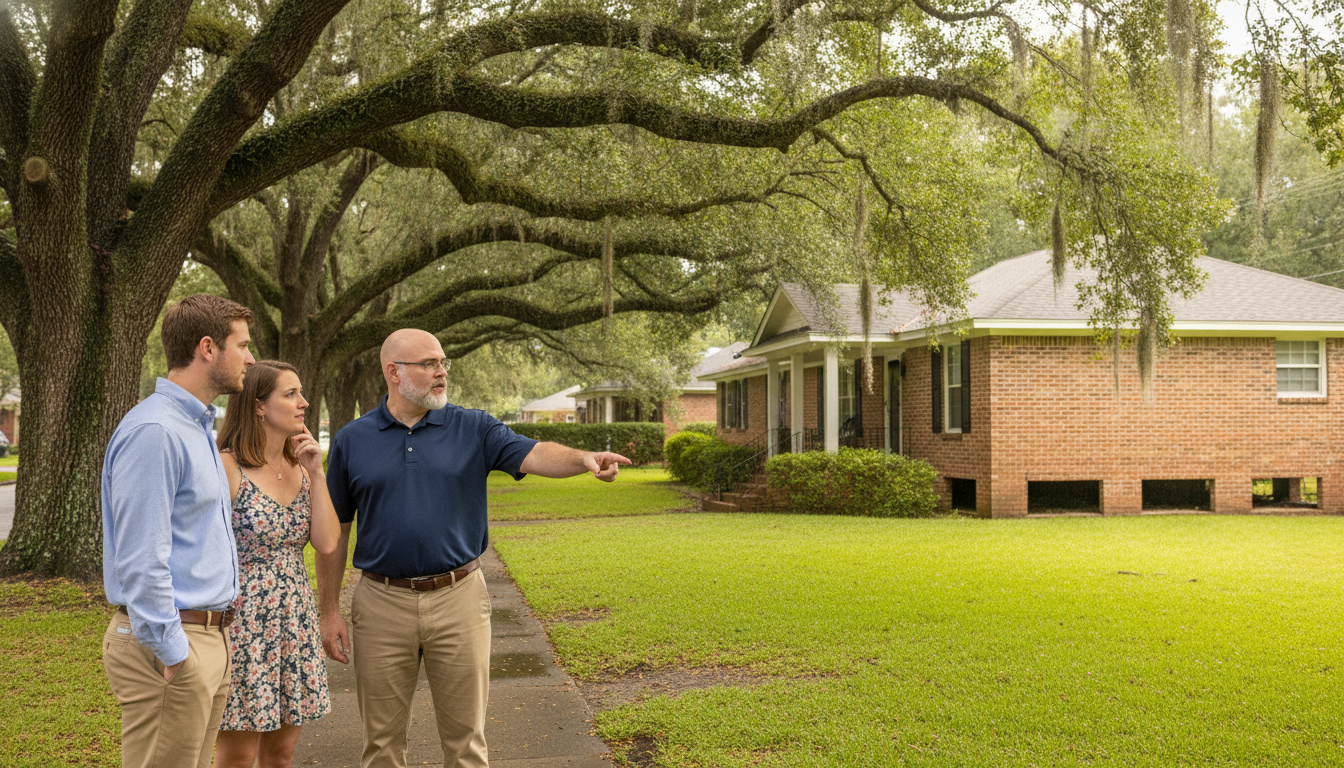
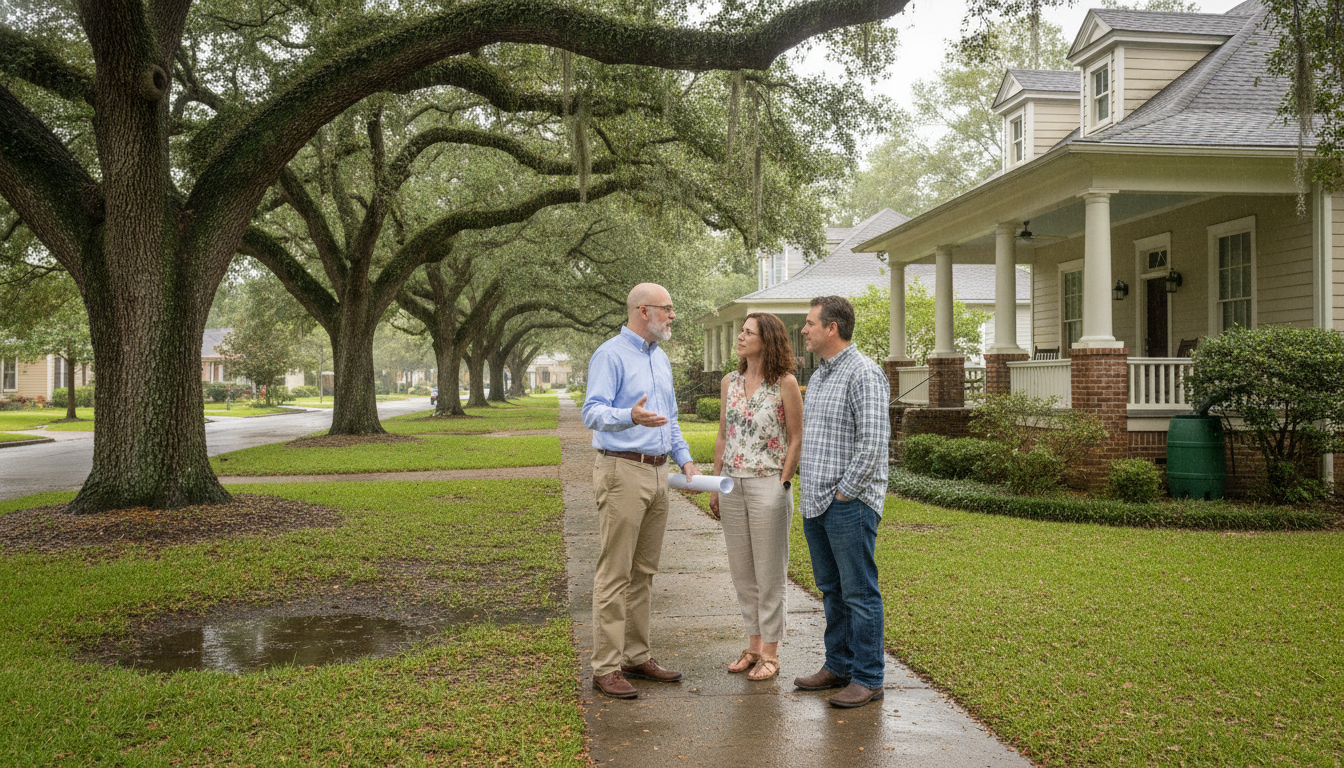
Baton Rouge flood risk affects homeowners across all parishes and flood zones, as the 2016 disaster proved when properties well outside designated high-risk areas sustained catastrophic damage. Flood insurance, which standard homeowners policies do not cover, typically requires a 30-day waiting period through the NFIP, making proactive purchase essential before storm season peaks. Understanding your specific flood zone, average insurance costs by parish, and available mitigation resources can meaningfully protect both your family and your property value.
Baton Rouge Flood Risk by Parish: What the Maps Show
Greater Baton Rouge sits at the intersection of the Mississippi River and a dense network of tributaries—the Amite River, Comite River, numerous bayous, and drainage canals—that make flooding a recurring reality rather than a remote possibility. FEMA classifies properties into flood zones based on annual flood probability. High-risk Special Flood Hazard Areas (SFHAs), designated Zones A and AE, carry a 1% annual chance of flooding and require flood insurance for federally backed mortgages. Moderate-risk Zone X (shaded) reflects a 500-year floodplain, and unshaded Zone X indicates minimal risk—though FEMA and industry data consistently show that a significant share of flood claims nationally come from properties outside high-risk zones, a pattern the 2016 Louisiana floods confirmed locally. Contact a licensed insurance agent or visit floodsmart.gov for current data on claims outside high-risk zones.
Parish-level risk profiles differ in meaningful ways. East Baton Rouge Parish carries a relatively high overall flood risk; according to a January 2026 City-Parish notice, approximately 40% of its land area could flood in a 1% annual chance event, and an estimated 16.9% of properties currently carry flood risk, a figure projected to edge higher over the next 30 years. Livingston Parish is highly susceptible to riverine and backwater flooding from the Amite River system—the 2016 flood affected an estimated 75% of homes there. Ascension Parish carries a relatively moderate current risk, though projections cited in parish planning documents suggest eastern portions could face significantly increased storm surge depths over coming decades if no additional protection measures are taken; Gonzales and Sorrento are identified as higher-risk communities. West Baton Rouge Parish experiences flooding tied largely to the Intracoastal Canal and Bayou Choctaw system. Homeowners should treat parish-level summaries as a starting point, not a final answer—your specific address and elevation matter far more than general parish statistics.
Why the 2016 Flood Still Shapes How Baton Rouge Prepares
The August 2016 Louisiana floods are the clearest local proof that FEMA flood zone designations do not define the outer boundary of flood danger. The event produced catastrophic rainfall-induced flooding across East Baton Rouge, Livingston, Ascension, and surrounding parishes, with Livingston Parish alone reporting that approximately 75% of its homes were affected. A significant share of damaged properties carried no flood insurance because they sat in moderate- or low-risk zones where coverage was not required by lenders—leaving many families without a financial safety net during recovery.
That experience reshaped how local emergency managers, parish governments, and informed homeowners think about flood preparedness. It accelerated investment in infrastructure projects like the Comite River Diversion, a U.S. Army Corps of Engineers project designed to reduce flood risk for portions of East Baton Rouge and Livingston Parishes by diverting Comite River flows. As of October 2026, that project remains under construction with completion projected sometime in 2028, though official timelines have shifted before and should be confirmed with the Corps or your parish floodplain administrator. Its full effect on specific neighborhoods and flood zone designations will not be known until the project is complete and FEMA updates the relevant maps. Homeowners in potentially affected areas should not assume their flood risk or insurance requirements have already changed—contact your parish floodplain administrator or a licensed insurance professional for current guidance.
FEMA has also been updating flood maps across the region. A January 2026 Federal Register notice addressed proposed and final flood hazard determinations for Livingston Parish, among others. Map updates can change a property's flood zone designation, affecting both insurance requirements and premiums. Checking the FEMA Flood Map Service Center (msc.fema.gov) for your specific address is the only reliable way to confirm your current designation.
Practical Flood Preparation Steps for Baton Rouge Homeowners
Preparation falls into three overlapping categories: financial protection, physical property steps, and emergency readiness. On the financial side, the single most important action is purchasing a separate flood insurance policy if you do not already have one. Standard homeowners insurance does not cover flood damage. Most National Flood Insurance Program (NFIP) policies carry a 30-day waiting period before coverage takes effect, which means a policy purchased after a storm is named or a warning is issued will not protect you from that event. Note that the NFIP operates under periodic congressional reauthorization; as of the publication date, the program is authorized through December 11, 2026, and Congress must act to extend it further—confirm current NFIP availability with your licensed insurance agent before purchasing. Private flood insurance options also exist and may offer different waiting periods or coverage terms—a licensed insurance agent can walk you through the comparison.
For physical preparation, start with the basics: clear gutters, downspouts, and yard drains of leaves and debris so water moves away from your foundation. Secure or bring in outdoor furniture, potted plants, and trash cans that could be displaced by wind or rising water. If your home is in a low-lying area, consider elevating appliances and storing important items off the floor. Temporary barriers such as sandbags can provide short-term protection; contact your parish Office of Homeland Security and Emergency Preparedness for current availability, as resources and distribution points change during active weather events.
For longer-term mitigation, East Baton Rouge Parish administers a Flood Mitigation Assistance (FMA) Grant Program that can help eligible homeowners fund elevation or acquisition of flood-prone properties, with priority given to Severe Repetitive Loss properties. Application timelines for federal grant programs can be lengthy—contact the parish at brla.gov/1371 for current program status and eligibility details before assuming funds are available.
On emergency readiness: assemble a kit with waterproof copies of insurance policies, identification, and property records, along with food, water, a flashlight, and a battery-powered radio. Sign up for the Red Stick Ready alert system if you are in East Baton Rouge Parish (brla.gov/3407), and check your specific parish's emergency management office for equivalent local alert tools. During any flooding event, follow the cardinal rule: never walk or drive through floodwaters. Six inches of moving water can knock a person down; one foot can float a small vehicle.
Questions to Ask and Professionals to Contact
Flood risk touches several professional disciplines, and knowing which expert to call for which question saves time and prevents costly misunderstandings.
**Insurance agent (licensed):** Ask about NFIP versus private flood insurance options, current premium estimates for your specific property, how FEMA's Risk Rating 2.0 affects your rating, and whether an Elevation Certificate could lower your premium. An Elevation Certificate documents your home's elevation relative to the Base Flood Elevation and is often the key to reducing NFIP costs for properties in or near SFHAs. Also confirm the current NFIP authorization status and any waiting period implications before purchasing.
**Parish floodplain administrator:** Each parish has a designated floodplain administrator who can confirm your current flood zone, explain any pending map amendments or revisions affecting your area, and provide information on local mitigation grant programs. For East Baton Rouge, start at brla.gov. For Livingston, Ascension, and West Baton Rouge, contact the respective parish planning or public works office.
**U.S. Army Corps of Engineers / FEMA:** For questions about the Comite River Diversion project timeline and its projected effect on flood zones, the Corps' New Orleans District (mvn.usace.army.mil) maintains project updates. For flood map questions, FEMA's Flood Map Service Center at msc.fema.gov is the authoritative source.
**Your REALTOR®:** Flood zone designation is a material fact in any Greater Baton Rouge real estate transaction. As your agent, I can help you understand how a property's flood zone affects its marketability, what disclosures are typically involved, and what questions to raise with inspectors, lenders, and insurance professionals before you buy or list. I am not a licensed insurance agent, attorney, or floodplain engineer—but I can help you identify the right questions and connect you with the right professionals for your specific situation. If you have questions about how flood risk factors into a home purchase or sale in Greater Baton Rouge, call me at 225-229-0443.

Baton Rouge Home Seller FAQ
Does standard homeowners insurance cover flood damage in Baton Rouge?
No. Standard homeowners insurance policies do not cover flood damage. Baton Rouge homeowners need a separate flood insurance policy, typically through the National Flood Insurance Program (NFIP) or a private insurer. Because most NFIP policies carry a 30-day waiting period before coverage takes effect, purchasing a policy well before storm season—rather than in response to an approaching storm—is essential. The NFIP operates under periodic congressional reauthorization; confirm current program availability and your specific options with a licensed insurance agent.
How do I find out what flood zone my Baton Rouge home is in?
The official source is the FEMA Flood Map Service Center at msc.fema.gov, where you can search by address to find your current flood zone designation and map panel. Your parish floodplain administrator can also confirm your zone and explain any pending map amendments. Keep in mind that FEMA updates flood maps periodically—a designation that was accurate a few years ago may have changed, particularly in parishes like Livingston where map revisions were noted in early 2026.
Are homes outside FEMA high-risk flood zones safe from flooding in Greater Baton Rouge?
Not necessarily. The August 2016 Louisiana floods damaged a significant number of homes in moderate- and low-risk zones across East Baton Rouge, Livingston, and Ascension Parishes—many of which carried no flood insurance because coverage was not required by their lenders. Industry and FEMA data consistently show that a substantial share of all flood claims nationally come from properties outside high-risk zones. Flood insurance is strongly recommended for all Greater Baton Rouge homeowners regardless of zone designation.
What is the Comite River Diversion project and will it reduce my flood risk?
The Comite River Diversion is a U.S. Army Corps of Engineers project designed to reduce flood risk in portions of East Baton Rouge and Livingston Parishes by diverting Comite River flows. As of October 2026, the project remains under construction with completion projected sometime in 2028, though official timelines have shifted before—confirm the latest schedule with the Corps or your parish floodplain administrator. Its effect on specific neighborhoods and FEMA flood zone designations will not be fully known until the project is complete and maps are updated. Homeowners should not assume their flood zone or insurance requirements have already changed.
Are there financial assistance programs to help Baton Rouge homeowners reduce flood risk?
East Baton Rouge Parish administers a Flood Mitigation Assistance (FMA) Grant Program that can help eligible homeowners fund elevation or acquisition of flood-prone properties, with priority given to Severe Repetitive Loss properties. Federal funding for flood mitigation projects across Louisiana was also announced in early 2026. Program availability, eligibility requirements, and funding status change over time—contact the East Baton Rouge Parish Office of Homeland Security and Emergency Preparedness or visit brla.gov/1371 for current details. Other parishes may have separate programs; check with your local parish office.
Sources
- FEMA Flood Map Service Center
- East Baton Rouge Parish Flood Mitigation Grants
- Red Stick Ready Emergency Alerts
- U.S. Army Corps – Comite River Diversion Project
- U.S. Army Corps – East Baton Rouge Flood Risk Reduction
- FloodSmart.gov – NFIP Flood Insurance 101
- Federal Register – Livingston Parish Flood Hazard Determinations (Jan 2026)
- Ascension Parish Floodplain Management
- West Baton Rouge Parish Floodplain Update (Sept 2025)
- Livingston Parish News – Comite Diversion 2028 Timeline
- FEMA Community Rating System